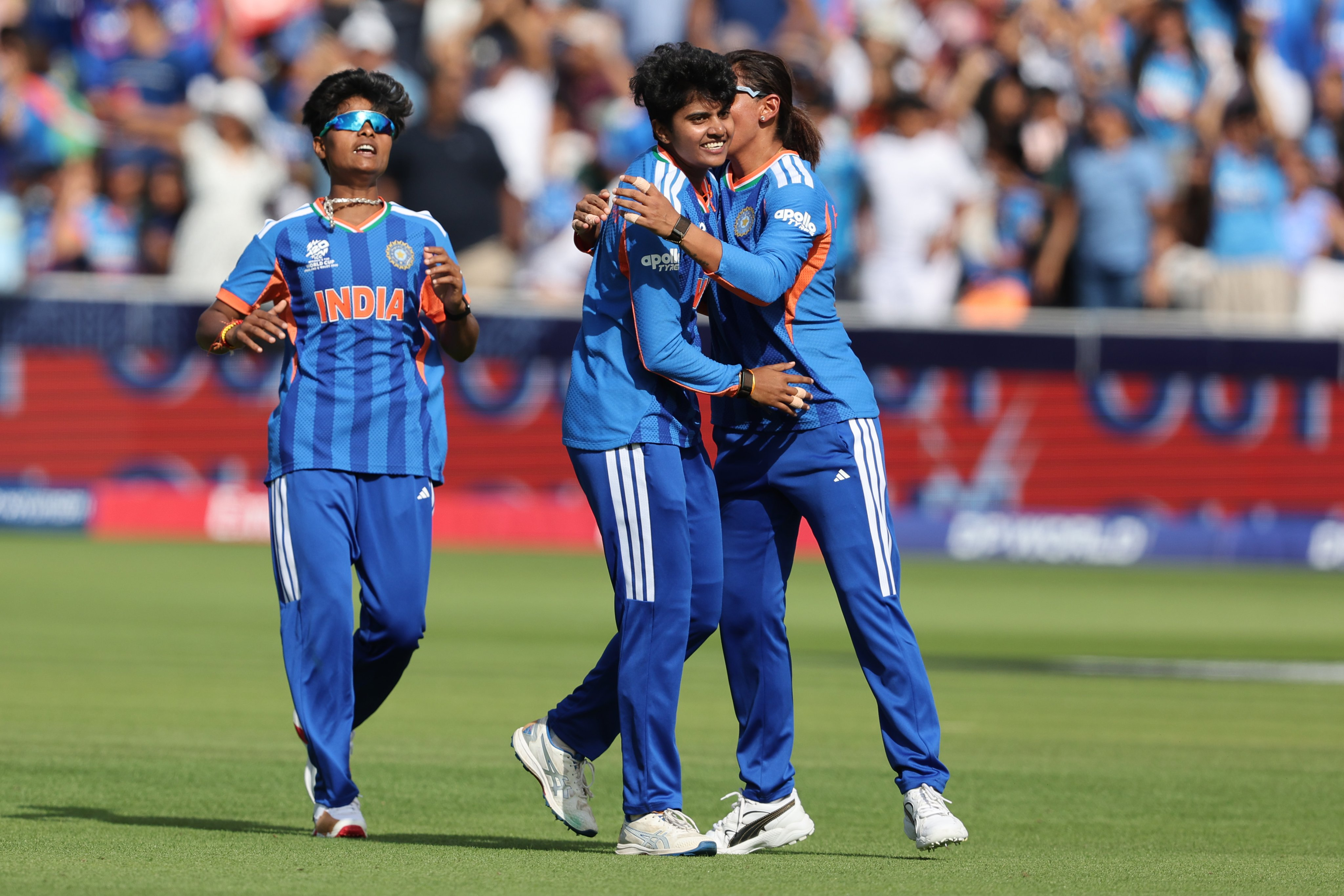
Women’s sport is no longer just a social movement; it is increasingly becoming a commercial opportunity. Across the world, investors, broadcasters and brands are recognising that women’s sport is not merely an extension of men’s sport; it is a distinct asset class with its own audiences, consumption patterns and commercial potential.
Deloitte estimates that global revenues from elite women’s sports will exceed US$3 billion in 2026, representing more than 340% growth since 2022. The direction of travel is unmistakable; investment is finally beginning to follow opportunity. India, too, is witnessing exciting progress.
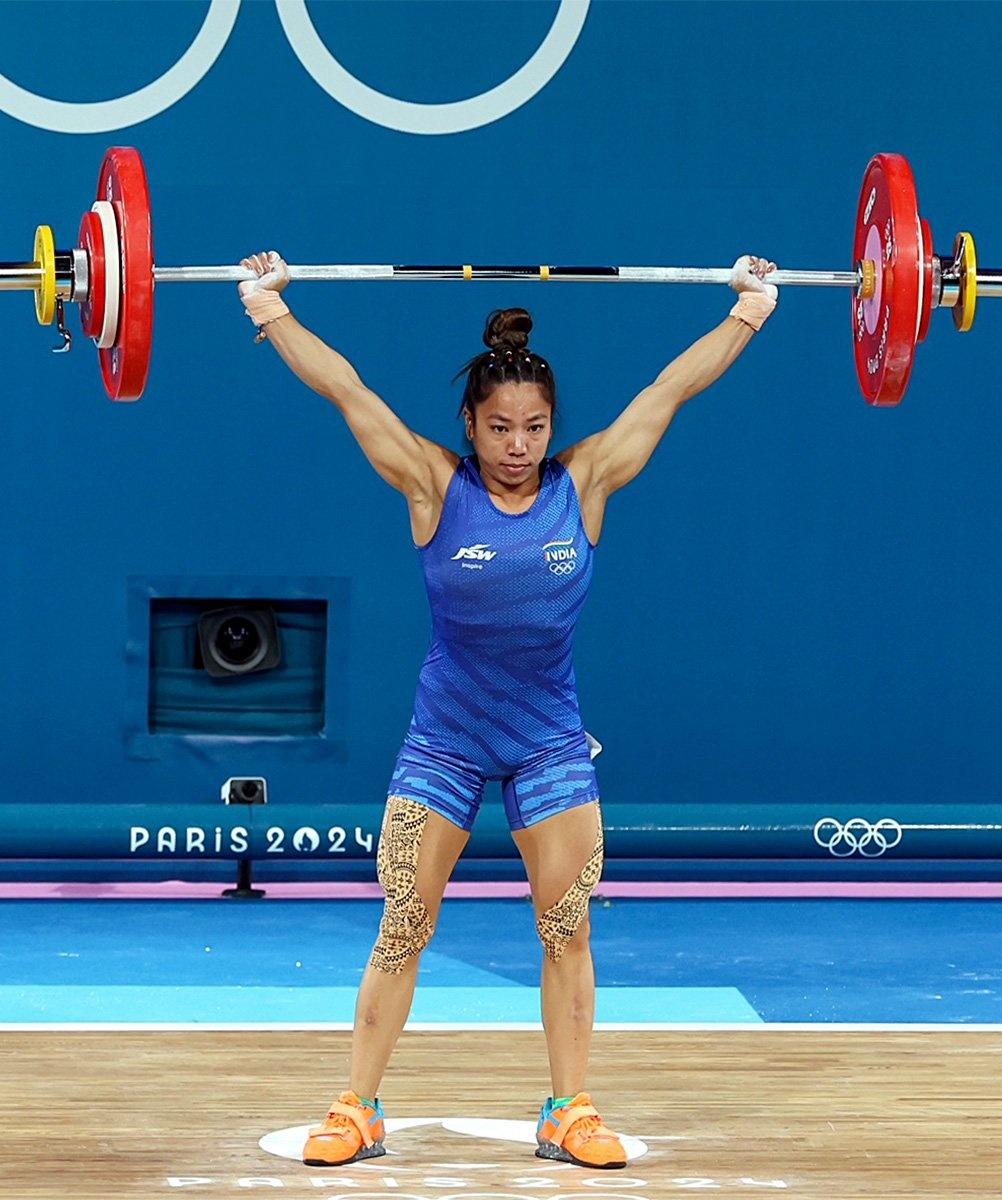
The Women’s Premier League (WPL) has proved that premium women’s sport can attract media rights and sponsorships. Athletes such as PV Sindhu, Mirabai Chanu, Nikhat Zareen, Harmanpreet Kaur, Smriti Mandhana and many others have become household names, inspiring an entire generation of young girls to dream differently.
Social challenges are pronounced in India

According to the same Deloitte-Google report on India’s sports economy, women now account for 36% of India’s 655 million sports fans, reflecting a rapidly growing audience with significant commercial potential. Yet beneath these encouraging milestones lies a sobering reality. While India is producing more world-class women athletes than ever before, the pipeline beneath them remains fragile.
UNESCO reports that 49% of adolescent girls worldwide drop out of sport during adolescence, i.e. six times the rate of boys. Although India lacks comprehensive national data, the challenges are even more pronounced. Social expectations, safety concerns, limited access to quality infrastructure, inadequate coaching, financial constraints and academic pressures continue to push thousands of talented girls away from competitive sport long before they reach their peak
India has no shortage of talent or aspiration

The challenge, therefore, is one of structure. India has no shortage of talent, ambition or aspiration. What it lacks is a consistently funded ecosystem. Investment still tends to arrive after athletes win medals rather than at the grassroots. Public and private funding remains concentrated around elite competition, while grassroots participation, school and university sport, coaching, sports science, nutrition, and athlete welfare continue to receive fragmented attention.
Outside cricket, many women’s leagues are still finding their feet, with inconsistent calendars, limited media exposure, and constrained, inconsistent commercial backing. This creates a classic investment paradox. Investors seek proven audiences before committing capital, while audiences require sustained investment before they can be monetised. This creates a self-perpetuating cycle. Hence, India risks celebrating exceptional champions without being able to consistently produce them.
Athlete retention must be a priority in the short term

In the short term, the priority must be athlete retention. Greater investment is needed in school and college competitions, accessible grassroots infrastructure, qualified women coaches, safe sporting environments and financial support during the critical teenage years, when participation declines most sharply.
Investments and brands must move beyond event- or campaign-based investments/endorsements and commit to long-term partnerships that support athletes throughout their developmental journey, rather than only after international success. Women’s sport should no longer be viewed solely through the lens of inclusion or gender equality.
It represents one of the biggest untapped opportunities within India’s sporting landscape, which can generate employment, attract investment, drive media consumption, expand participation and strengthen the country’s overall sports economy. The success of women’s football in England, the WNBA in the United States and Australia’s Matildas demonstrates that consistent investment creates exponential commercial returns over time. India has the ingredients to replicate this success.
A lot of opportunities present themselves

The encouraging news is that the opportunity has never been greater. India’s substantial youth population, growing sports interest, and rapidly increasing attention from the government, private and public sectors are expanding the sports economy, a slow but sure foundation for women’s sport to flourish in the time to come. Women’s sport should not simply participate in this growth; it should help define it
The real question, therefore, is no longer whether women’s sport deserves greater investment. It undoubtedly does. The real challenge is whether India is willing to invest before success, rather than only after it. Because when investment matches intent, medals become outcomes, not exceptions.

Darshana Bhalla is the founder and MD of D’Artist Talent Ventures. She is an experienced voice at the intersection of sports, talent and brand partnerships.
YOU MAY ALSO LIKE – How did India get knocked out early from the 2026 Women’s T20 World Cup?
If you liked this article, consider subscribing to our website to stay in touch with the latest updates in sports. You can also follow the India Sports Tribune on X and Instagram. We would love to talk to you!




Leave a Reply