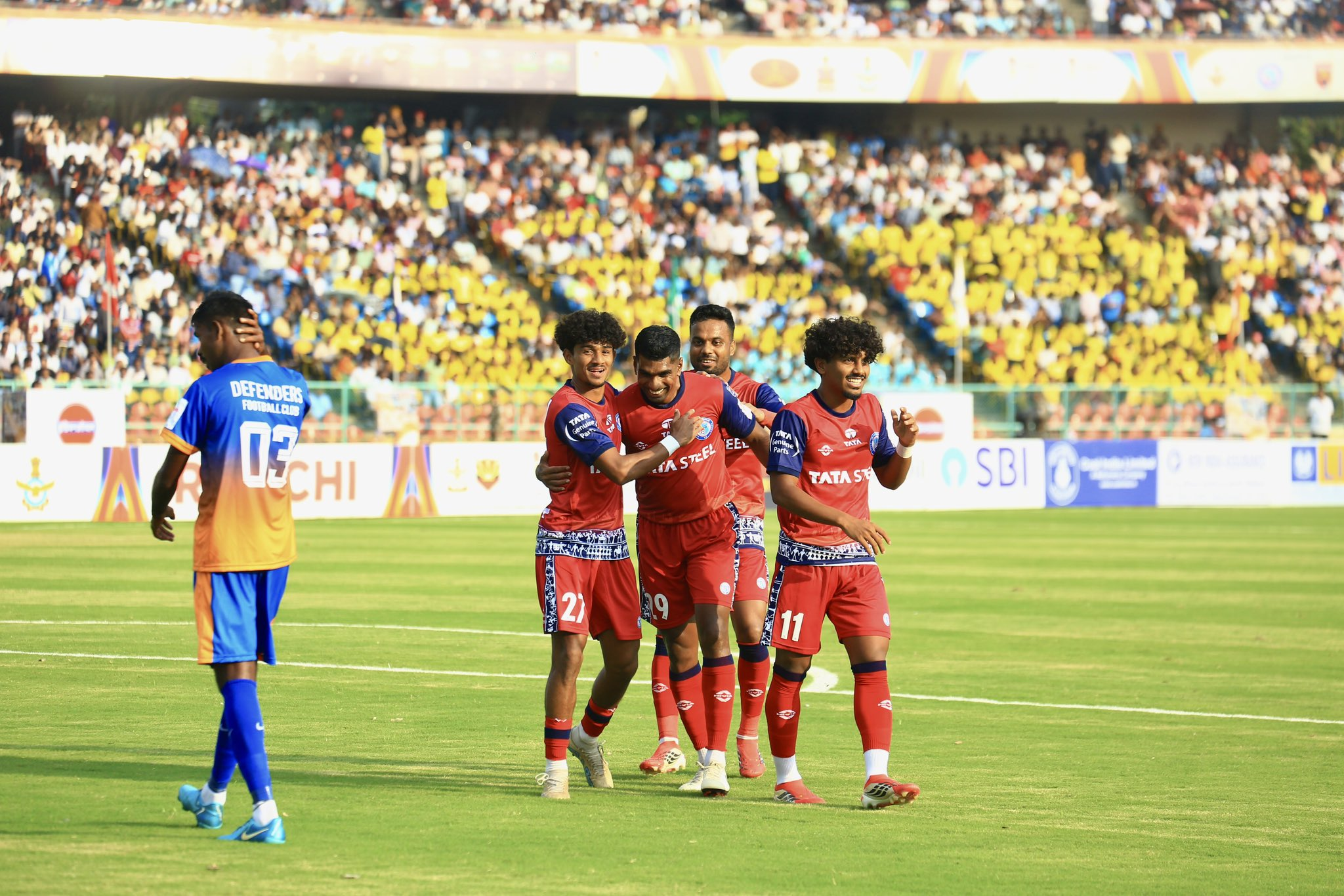
JAMSHEDPUR, INDIA: Jamshedpur FC’s withdrawal is not merely the story of another team exiting the Indian Super League (ISL); it is a moment that has compelled Indian football to confront difficult questions about financial sustainability, ownership and the future of the league’s evolving ecosystem.
When a struggling entity withdraws or ceases operations, it is often seen as an unfortunate reality of professional sport. But when one of the most stable clubs of the ISL decides to walk away, the conversation changes. This development comes less than a year after the ISL entered a new phase following Football Sports Development Limited’s (FSDL) exit as commercial partner.
Under the new ISL club-owned model, participating teams were required to shoulder greater operational responsibilities, and this included the introduction of a participation fee. While most clubs adapted to the transition, Jamshedpur FC chose to step away, with its owners, Tata Steel, citing cash-flow issues and concerns about the long-term financial viability of this model.

The price of a changing ISL landscape for Jamshedpur FC
Jamshedpur FC’s decision did not emerge in isolation. It came during one of the most significant transitional periods in the history of the ISL. Following Football Sports Development Limited’s (FSDL) exit, the league adopted a club-owned model that shifted greater financial and operational responsibilities onto participating teams.
As part of the new ISL structure, clubs were required to pay a participation fee to facilitate league operations. While most clubs agreed to continue under the new framework, Jamshedpur FC chose differently.
In a statement explaining their decision, Tata Steel said its shareholders believed the current ISL model was financially unviable, resulting in cash-flow challenges that would make the club’s continued participation unsustainable. More than just a withdrawal, this decision has become the first major test of the sustainability of the league’s new operating model.
Why does Jamshedpur FC’s exit feel different in Indian football?

Football has seen clubs withdraw, fold and change ownership before. Yet Jamshedpur FC’s departure has struck a different chord. Since entering the premier division in 2017, the Tata Steel-owned club earned a reputation for being one of the most professionally run organisations in the league, even winning the ISL Shield in the 2021-22 season while consistently investing in infrastructure, youth development and community engagement.
Unlike Indian football clubs that have struggled with financial uncertainty for years, the Red Miners rarely featured in conversations surrounding instability. That is precisely why their withdrawal has prompted wider concern. If one of the league’s strongest institutions believes that the current model is unsustainable, it raises uncomfortable questions about the challenges facing clubs with fewer resources.
The cost beyond the pitch

The implications of the Jharkhand-based club’s withdrawal extend far beyond the first team. Over the years, the club has built an ecosystem that supports hundreds of people both on and off the pitch. For aspiring footballers coming through the club’s academy, the uncertainty raises questions about their pathway to the senior team and opportunities to compete at the highest level of Indian football. For the staff, it creates uncertainty over their careers.
The impact is equally significant for the supporters who have helped transform Jamshedpur into one of the most passionate footballing cities in Indian football, and for the many local businesses from food vendors and transport operators to small retailers that depend on matchday crowds. If the withdrawal becomes permanent, the loss will not be confined to the league table; it will be felt across the entire ecosystem that has grown around the club over the past nine years.
The conversation after the announcement

The first signs of the fallout emerged not from official statements but on social media. As news of Jamshedpur FC’s withdrawal spread, players from the Indian men’s national team began expressing their disappointment. Nikhil Poojary was among the first to react publicly, followed by Tata Football Academy graduate Chinglensana Singh.
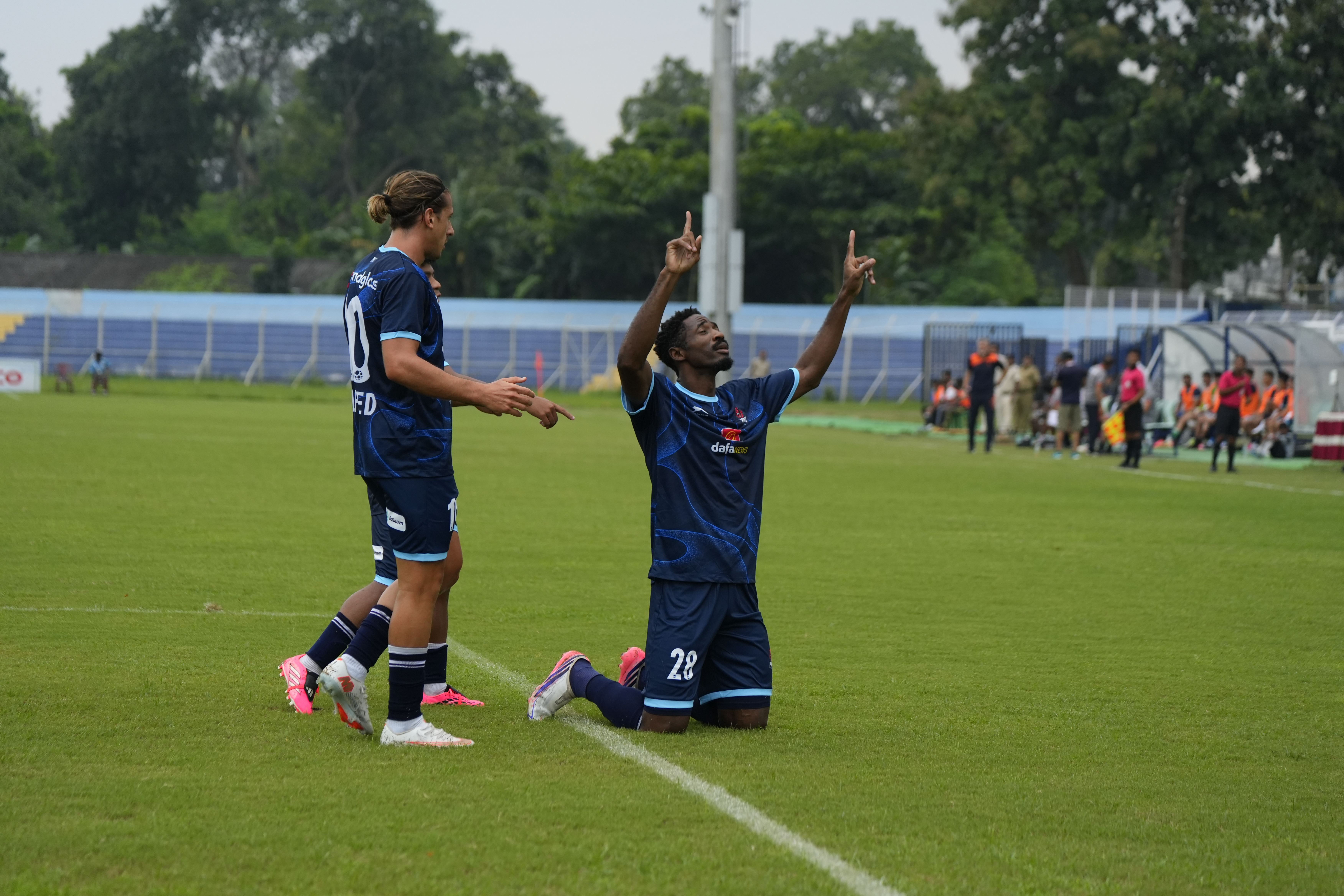
Iconic Indian football players Sandesh Jhingan and Sunil Chhetri also voiced their opinions, while supporters’ groups including West Block Blues (Bengaluru FC), Gaur Army (FC Goa) and Mariners (Mohun Bagan) also urged the Tatas to rethink their decision. The conversation took an emotional turn when Jamshedpur FC’s players and support staff, now competing in the Durand Cup, appealed to the owners to reconsider their decision.
They urged the club to reverse this decision, highlighting the uncertainty surrounding the futures of players, coaches and other staff members whose livelihoods depended on the club. This appeal soon gathered momentum across Indian football. The campaign has now eventually extended beyond social media, with fans launching online petitions in a final attempt to persuade the club’s owners to reconsider their decision.
Conclusion
Jamshedpur FC’s withdrawal has turned into far more than the story of one club leaving the ISL. It has highlighted the far-reaching impact a football team can have on players, staff, supporters, local businesses and an entire city’s sporting identity. At the same time, it has also raised important questions about the financial realities of Indian football’s evolving landscape.
How the All India Football Federation (AIFF), league stakeholders and club owners respond to these concerns in the months ahead could also determine whether the Red Miners’ withdrawal remains an isolated incident or signals a deeper structural rot within Indian football.
YOU MAY ALSO LIKE – Durand Cup 2026: What can fans expect from Indian football’s curtain-raiser?
If you liked this article, consider subscribing to our website to stay in touch with the latest updates in sports. You can also follow India Sports Tribune on X and Instagram. We would love to talk to you!



Leave a Reply