
LONDON, ENGLAND: India’s 2-0 defeat to Jamaica at The Valley in London on Wednesday, May 27, in the ongoing Unity Cup was not one of those games where the opposition completely outclassed them through brilliance. In fact, that is precisely what makes this performance so concerning.
Jamaica did not have to do much. They did not press relentlessly or dominate possession. They did not even look particularly interested in committing numbers forward for most of the game. They simply sat back, watched India struggle to function and waited for the inevitable mistakes to arrive.
And India delivered those mistakes to the Reggae Boyz on a silver platter. Khalid Jamil’s starting lineup already raised eyebrows before kick-off. Starting with five defenders made India’s intentions painfully obvious, which were to defend deep, stay cautious and avoid getting exposed in transition.
But somehow, despite setting up defensively, India still looked chaotic every single time Jamaica attacked. A lot of Jamil’s selection choices also had to do with the fact that Mohun Bagan had withdrawn their entire contingent – seven players – on the eve of India’s departure for London. This left the former Jamshedpur FC manager with few reliable and experienced options to bank upon.
Forced questionable selections in India’s playing XI against Jamaica

That alone tells you how badly this game unfolded. The defensive lapses for both goals were embarrassing. There is simply no softer way to put it. The backline lost composure under very basic attacking situations, and Jamaica capitalised without needing to create sustained pressure. The organisation disappeared the moment India were forced to react quickly.
Players were caught out of position, recovery runs lacked urgency, and communication looked nonexistent. And then there was the midfield. Or rather, the complete absence of one. The Blue Tigers had absolutely no transitional structure or progression through central areas. There was an absence of calmness on the ball or ability to control tempo.
The midfield was bypassed so easily that at times it genuinely felt like Jamaica were playing through empty space. Every attack became predictable because there was no connection between defence and attack. India either went long aimlessly or pushed the ball wide and hoped something would happen. There was no rhythm, no creativity and no control.
Fullback Nikhil Poojary summed up the imbalance perfectly. It was not that he lacked defensive awareness, but he looked so desperate to provide attacking width and drive the team forward that recovering back into shape became difficult. Every time he pushed high, India’s structure looked vulnerable, and Jamaica were more than happy to attack those spaces.
Senior defenders were found wanting for the Blue Tigers

Rahul Bheke, despite wearing the captain’s armband, looked like one of India’s weakest links defensively on the night. The lack of authority and composure from one of the senior-most players was glaring. Sandesh Jhingan, another experienced figure expected to lead the backline, did not do much better either. He looked shaky under pressure, struggled to fully command the defence and even picked up a yellow card.
Then comes the bigger tactical question: Why were India effectively operating with two left-backs in Naorem Roshan Singh and Akash Mishra? The balance never looked right. Roshan was already pushing high to create width because the midfield offered nothing creatively, and adding another natural left-back into the setup only made the structure look confused.
Meanwhile, the less that is said about the Blue Tigers’ attack, the better. Edmund Lalrindika, who scored for East Bengal in the Kolkata derby recently, was almost invisible for large stretches of the game. Farukh Choudhary, meanwhile, failed to capitalise on the few opportunities India managed to create.
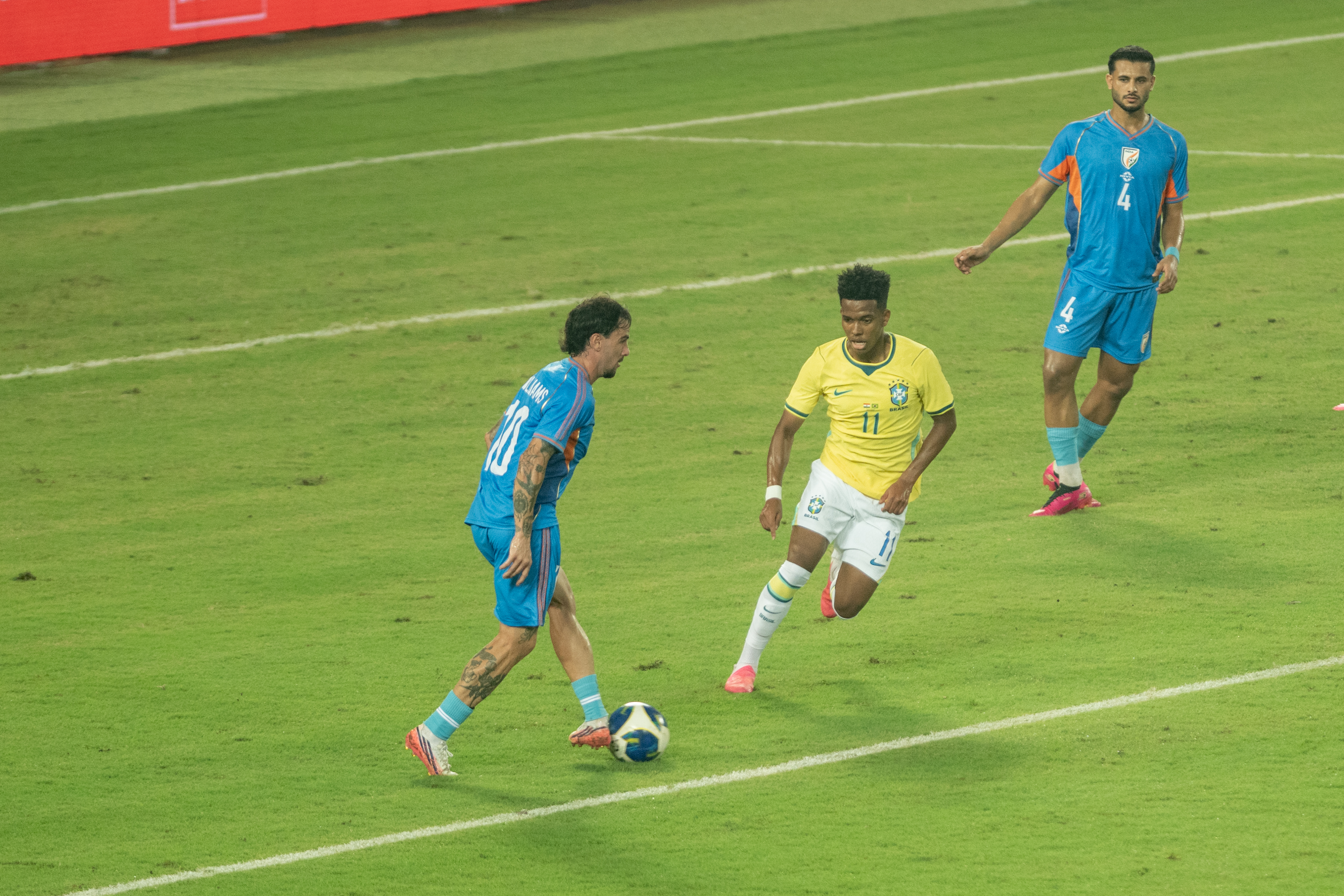
Ryan Williams spent most of the night isolated because there was no midfield support. Lallianzuala Chhangte could not influence the game because the ball progression itself was broken. Rahim Ali’s introduction at least brought aggression and urgency, but by then the game already felt structurally lost. India barely produced attacking opportunities, and when they finally did, the finishing lacked composure and conviction.
Mohun Bagan’s decision to withdraw seven players hurt India’s preparations

And looming over all of this is the larger issue Indian football continues refusing to address properly, which is preparation. The ‘national club of India’, Mohun Bagan, decided not to release their players, which once again disrupted continuity and weakened an already unstable setup.
Several players joined the camp late and looked nowhere near coordinated enough. The chemistry was missing across the pitch. And due to all of this, the Blue Tigers looked like a team thrown together just moments before kickoff. Jamaica recognised that immediately. They stayed compact, waited patiently and punished every error India handed them. They didn’t have to take unnecessary risks or panic.
They just had to play disciplined football against a side that slowly unravelled itself. This was not a match lost because Jamaica were overwhelmingly superior. This was a match India lost because they looked tactically confused, mentally fragile and structurally unprepared from start to finish.
ALSO READ: No room for Mohun Bagan’s anti-national stance in Indian football
If you liked this article, consider subscribing to our website to stay in touch with the latest updates in sports. You can also follow the India Sports Tribune on X and Instagram. We would love to talk to you!




Leave a Reply