
AHMEDABAD, INDIA: India won the five-match T20 series against South Africa by 3–1, but the margin barely disguises how uneven the contest actually was. The series featured a heavy defeat, a sharp response, a correction, a washout, and a high-scoring decider. Performances fluctuated, plans changed quickly, and momentum proved unreliable across venues and conditions. Taken together, the five matches offer a clear look at how modern T20 cricket is shaped less by dominance and more by how effectively teams adjust after being challenged.
Rather than building towards a steady narrative, the series unfolded as a sequence of corrections. Each match exposed a different weakness and demanded a different response. India’s eventual success owed less to sustained dominance and more to their ability to reset quickly in terms of selection, approach, and execution, especially after being challenged. When read together, the five games offer a clear picture of how modern T20 cricket rewards adaptability over continuity.
1st T20I: India’s opening demolition
India began the series by posting 175/6 in Cuttack, before bowling South Africa out for 74 in 12.3 overs, securing a 101-run victory. The game was effectively decided inside the first half of South Africa’s innings, as wickets fell in clusters and partnerships never developed.
Hardik Pandya anchored India’s batting with 59 off 25 balls, providing late acceleration after a steady start. With the ball, India’s attack exploited early pressure relentlessly. For South Africa, Dewald Brevis (22) was the only batter to reach double figures with any fluency. The margin was emphatic and absolutely misleading in how much it revealed about the rest of the series.
2nd T20I: South Africa’s dominating response
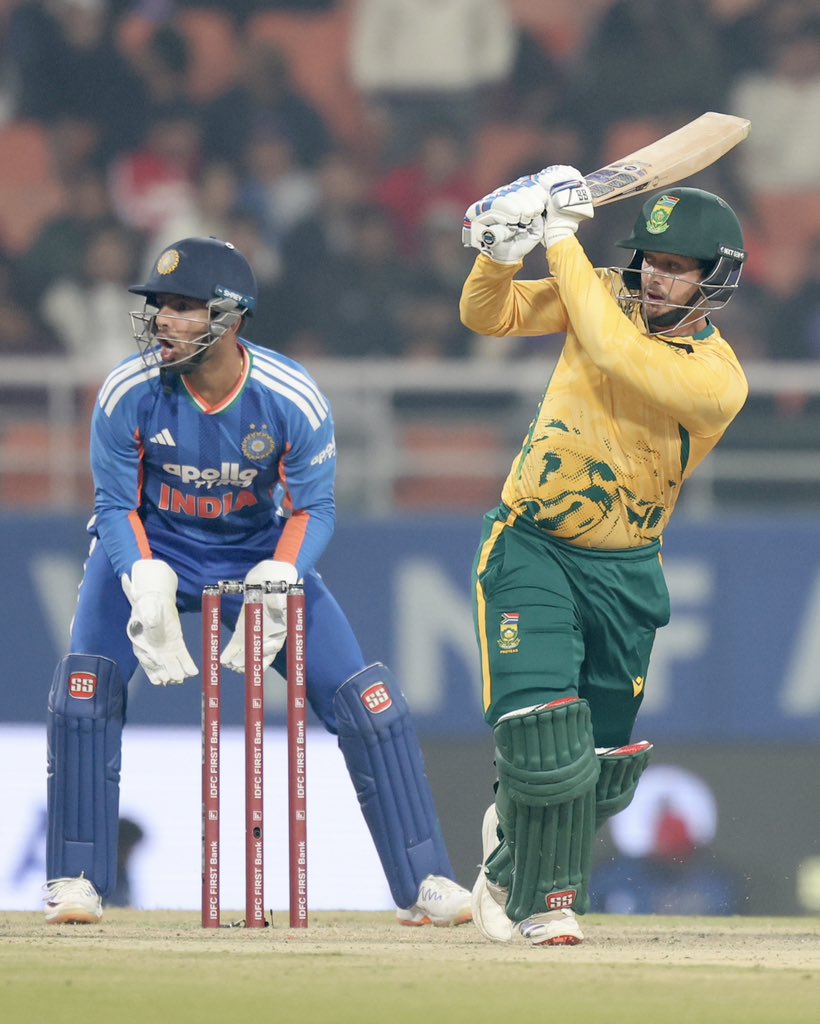
South Africa levelled the series with a commanding win, exposing India’s fragility under pressure with a decisive performance after batting first and setting the tone early. They posted 213/4, built around Quinton de Kock’s 90 off 46 balls, an innings that controlled tempo and punished anything loose. India’s bowlers struggled to contain the scoring once South Africa established momentum through the middle overs.
In response, India’s chase never stabilised. Despite a fighting 62 from Tilak Varma, the rest of the batting order failed to handle sustained pressure, and India were bowled out for 162 in 19.1 overs, handing South Africa a 51-run victory. This defeat served as a sharp correction, resetting the series and underlining how quickly fortunes could reverse.
3rd T20I: India reset the series with control
After the volatility of the first two games, the third T20I was where the series briefly found structure. South Africa, batting first, were bowled out for 117, a total shaped almost entirely by Aiden Markram’s 61 off 46 balls, with little support from the rest of the lineup. India’s bowlers tightened the screws through the middle overs, refusing South Africa any momentum or partnerships.
In reply, India chased down the target with minimal fuss, reaching 120/3 in 15.5 overs to secure a seven-wicket win. Abhishek Sharma’s 35 off 18 provided early reassurance, while Shubman Gill’s 28 ensured that there were no late stumbles. It was India’s most controlled performance of the series, and it shifted the balance back in their favour.
4th T20I: Match abandoned due to fog
The fourth match was abandoned without a ball being bowled due to fog. While there were no numbers to record, the impact was contextual. India remained 2–1 ahead, but the interruption froze momentum and ensured the series would be decided in a single, high-pressure finale rather than through gradual progression.
5th T20I: India finish the job with power and precision
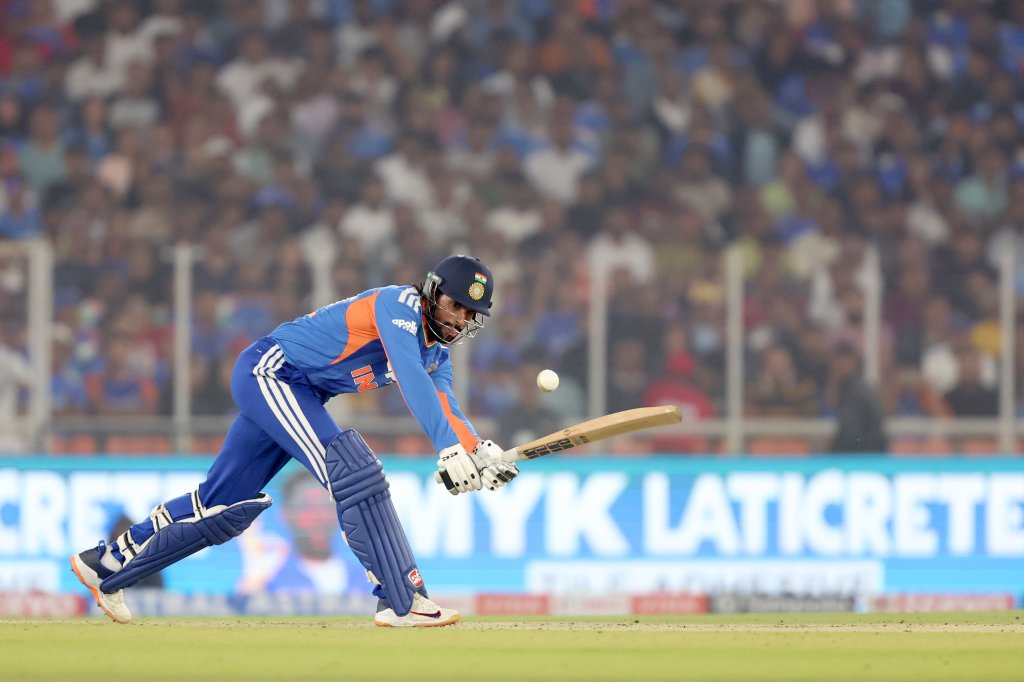
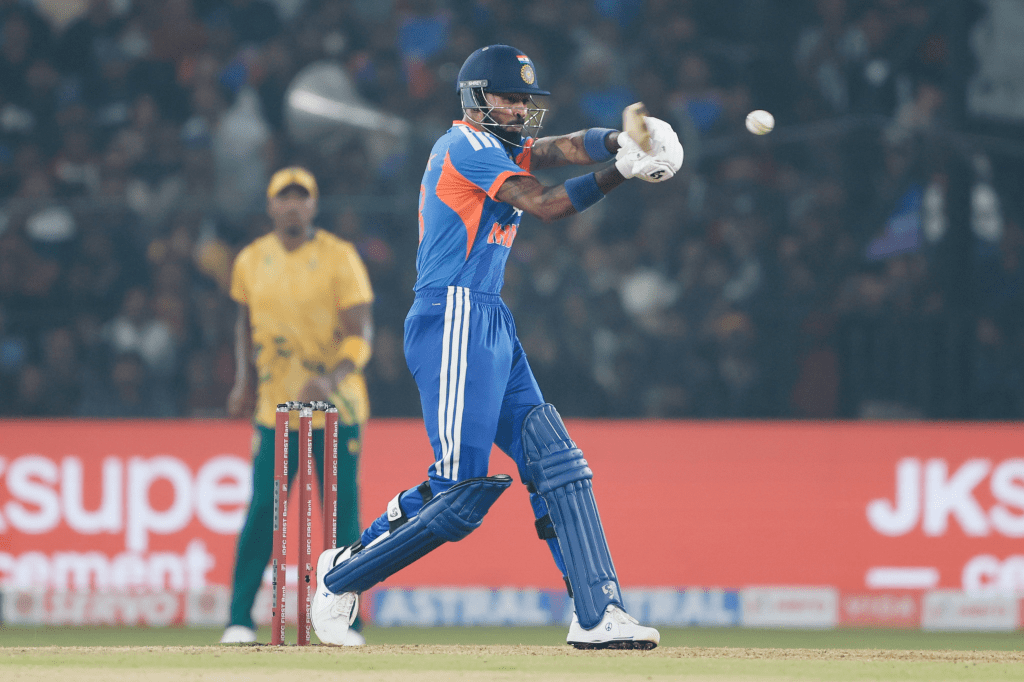
The series decider was the most complete expression of India’s depth and intent. Batting first, India piled on 231/5, a total built on clear role definition rather than reckless hitting. Tilak Varma anchored the innings with a composed 73, absorbing pressure through the middle overs, before Hardik Pandya delivered the decisive surge with 63 runs off 25 balls, including a blistering 16-ball fifty that broke the game open.
Chasing 232, South Africa stayed in touch early through Quinton de Kock’s 65, but the required rate kept climbing as wickets fell at key moments. India’s bowlers managed the closing phases effectively, led by Varun Chakaravarthy’s 4 wickets, restricting South Africa to 201/8 and sealing a 30-run win. It was a finish that reflected the series as a whole: aggressive without panic, and decisive when it mattered most.
India’s 3–1 series win was shaped less by sustained control and more by timely response. Across five matches, momentum shifted repeatedly, and familiar patterns failed to hold. What ultimately separated the two sides was India’s ability to recognise those shifts early and adjust with clarity, allowing them to manage pressure better when it mattered the most.
f you liked this article, consider subscribing to our website, for free, to stay in touch with the latest updates in Indian sports. You can also follow the India Sports Tribune on X. We would love to talk to you!




 India Sports Tribune
Leave a comment